

Polyamory gave your partner's other partner a name, metamour, and a rough set of manners for the relationship.
Kitchen-Table, Parallel, and the Range Between
Metamour relationships run from close friendship to no contact. Four points on that range have names:
| Style | How close | What it feels like | Best for |
|---|---|---|---|
| Kitchen-table | Share coffee | A friend, and the whole group of partners runs like a family | People who get on without forcing it |
| Garden party | Meet now and then | Friendly at group events, no close ties expected | The middle ground many people live in |
| Parallel | Aware, rarely in contact | You know of each other and both accept it | People who want their relationships kept separate |
| Don't-ask-don't-tell | Never mentioned | Silence. You don't acknowledge each other | Almost no one. Use it with extreme care |
Don't-ask-don't-tell can hold off jealousy for a while, but the silence often creates the tension it was meant to avoid.

Many forums and books present kitchen-table as the healthy way to do polyamory, which pushes people into family dinners they only endure. A warm parallel arrangement that everyone wants is better than a kitchen table that three people are performing. Choose the style the people involved signed up for.
A warm parallel arrangement that everyone wants is better than a kitchen table that three people are performing.
Meeting Your Metamour
No single time to meet suits everyone. Meeting early comes before anyone's feelings have hardened, and waiting until things settle makes it feel less like a job interview.
What usually goes wrong is that one of the two people meeting is keener than the other and nobody admits it. If you dread the meeting and smile through it anyway, it shows, and you may replay it for weeks. Keep your expectations low on purpose: an instant bond is unlikely, and expecting one sets you up for disappointment.
What helps:
- Pick a neutral place and keep it short. A coffee works better than a weekend.
- Get to know each other rather than spending the time on the partner you share.
- Don't act warmer than you feel. Friendly and a little formal is enough.
- Expect awkwardness. Every first meeting has some, and it does not mean things went badly.
Conflict and the Hinge Partner
Polyamorous people have a saying: all metamour problems are hinge problems. The hinge is the partner you share. The saying overstates the case, and it is often right. Usually you have a problem with how your partner treats you, and you blame the metamour instead: "She takes up all his time." Sometimes that is accurate, and often the cause is jealousy.
If you don't get enough time, that is a scheduling conversation with your partner. If you feel deprioritized, it is a conversation about hierarchy (whose relationship comes first), also with your partner. Your metamour cannot fix either, and blaming them damages a relationship that was never the problem.
The hinge is also a poor referee. When two metamours clash, passing every message through the shared partner usually makes the tension worse: messages get distorted, and the partner in the middle has a stake in both relationships. If the conflict is between you and your metamour, over something said or done to you, deal with it directly, or ask your partner to set up a conversation and then to stay out of it. Demanding that your partner take a side reliably fails, and you lose the most from it.
Watch for one bias in yourself: expecting women metamours to bond like sisters while men metamours are kept apart. That is patriarchy carried into polyamory, and you should drop it.
What You Owe Each Other
The list is short:
- Basic respect. Don't badmouth, undermine or sabotage them.
- Honesty when your actions affect the agreements your metamour has with your shared partner, such as a change in your safer-sex situation.
The test that matters is whether everyone can live honestly with the arrangement as it is.
You don't owe friendship, emotional labor or warmth you can't feel.
Some metamours become friends. Others stay polite and distant for years, and that is a success. The test that matters is whether everyone can live honestly with the arrangement as it is.
Couple Privilege (and the Veto Problem)
Couple privilege is power an established couple holds over newer partners, which those partners never agreed to and cannot push back on without risking the relationship. It takes a few forms: (1) veto rights (one partner can make the other end a newer relationship), (2) rules that protect the couple's comfort at a third person's expense, and (3) the unspoken assumption that the couple is the real relationship and everyone else is a guest.
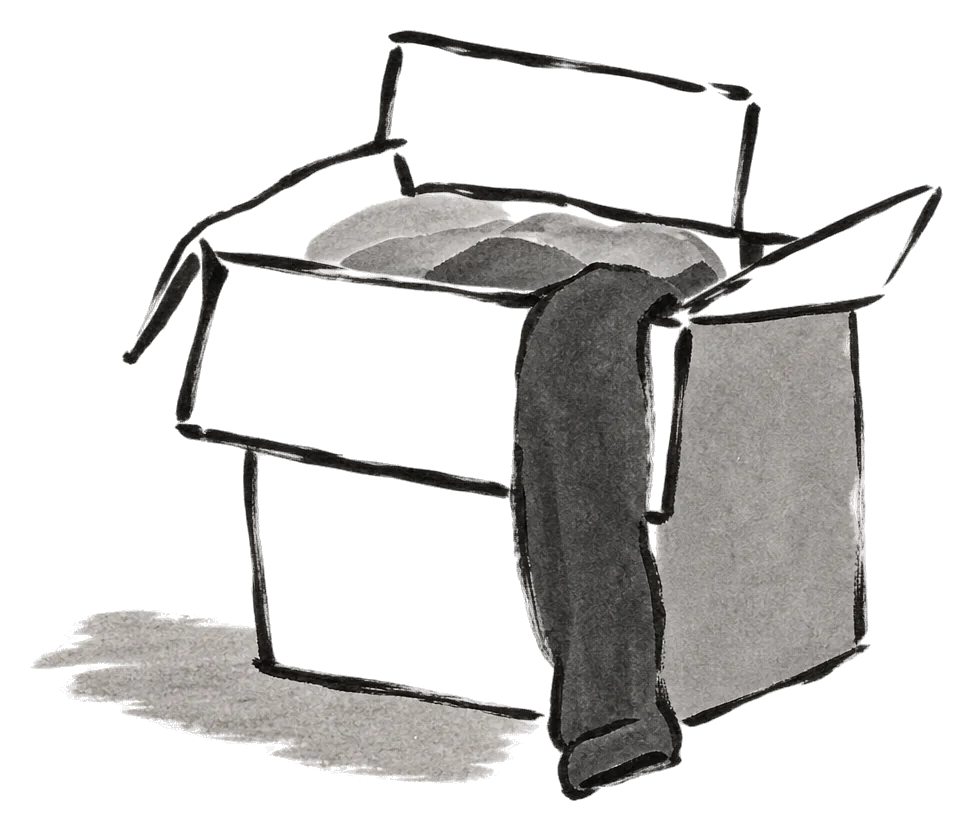
Veto is the strongest form, and it usually leaves the newer partner feeling like a thing that can be put back in a box. They live braced for an end that could come at any time. A common ending is that the couple uses the veto and then breaks up anyway, having ended a real relationship to calm an insecurity that one hard conversation could have handled.
You can be on either side of this:
- If your needs keep losing out to the couple's comfort, tell your partner so, plainly.
- If your own agreements leave your metamour unable to ask for anything reasonable without putting the arrangement at risk, the agreements are the problem. Fix them instead of blaming your metamour. Saying the couple has no privilege does not change them.
FAQs
What if I just don't like my metamour?
That is allowed. You don't have to befriend everyone your partner loves, any more than their coworkers. You do have to (1) behave decently, (2) not undermine their relationship, and (3) tell your partner the truth, rather than act warm to your metamour's face while your real feelings leak out elsewhere. Civil and distant is a respectable outcome.
My metamour keeps setting rules that affect my relationship. Is that okay?
Mostly not. Your partner's agreements with someone else can fairly affect logistics and scheduling. They should not give a third person control over what you and your partner may do or feel. If they do, the problem is in your partner's agreements, so raise it with your partner.
Do I have to meet my metamour if I'd rather not?
In a parallel setup, no, and the preference is fine. Say so clearly instead of staying vague, so your partner is not caught between two people with opposite assumptions about how involved everyone should be.
I can't stop comparing myself to my metamour. How do I stop?
You probably won't stop comparing, but you can stop acting on it. Don't treat your partner's relationships as a ranking you are losing. The comparing usually points to a need of your own (reassurance, time, a particular kind of attention), so take that need to your partner as a request. "I need a regular date night" gives your partner something to act on, and "Am I better than her?" does not.