

If someone tells you they feel happy watching their wife talk with another man, you may assume it's an act. The happiness can be real, and so can the jealousy next to it, in the same person on the same night, sometimes within the hour. Expect to feel both, by turns. This guide is about living with the two.
The three things people blur together
Much of the distress comes from treating jealousy, compersion and NRE as one lump of feelings to fix. They are three separate things, and telling them apart removes most of the panic.
| What it is | What it tells you | What to do | |
|---|---|---|---|
| Jealousy | A flare-up when something you value feels threatened | Something specific feels at risk | Name the specific fear and tell your partner, as information |
| Compersion | Warmth at your partner's happiness with someone else | Nothing you need to act on | Leave room for it and don't chase it |
| NRE | The infatuation high with someone new | Little, since it impairs your judgment | Name it, keep your routines, postpone big decisions |
What Jealousy Tells You
In ENM, jealousy often comes with shame, from this reasoning: if you were really okay with this, you wouldn't feel jealous, so the jealousy proves you're faking it. That reasoning is wrong, and it causes needless misery.
Myth: Feeling jealous means that deep down you can't do this.
Reality: Jealousy turns up in people who have done ENM happily for ten years.
People with long experience of ENM often say that jealousy is usually a much smaller problem than the self-help books make it. The reason is that the people who stay in ENM are mostly people it suits. They aren't fighting constant jealousy, just as most monogamous people aren't straining against monogamy every day.
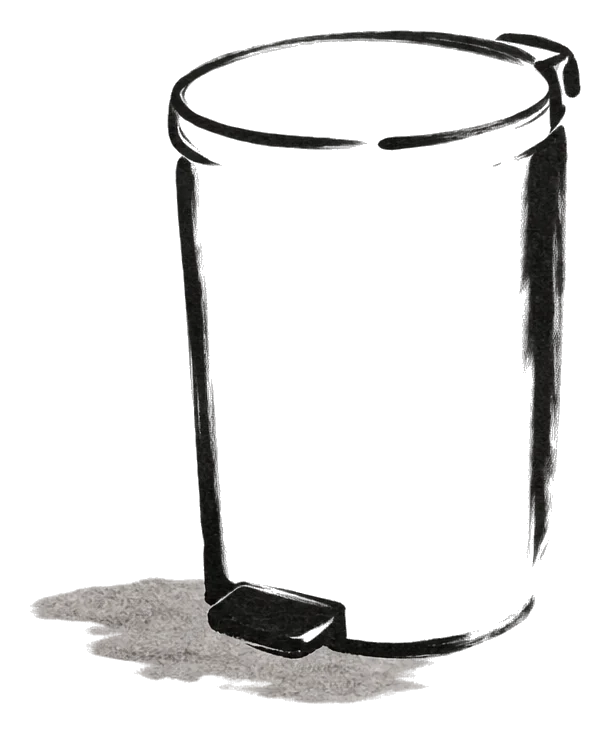
The books dwell on triggers, such as a stray condom wrapper, holding hands in public or a social media post, as if everyone is tormented by them, which most people aren't. The wrapper example also makes little sense: a wrapper on its own tells you nothing, and to know whose it was you would have to search the trash. If you find yourself doing that, something bigger is worrying you.
Name what feels at risk
When jealousy does show up, treat it like a smoke detector: it tells you to go and look. Instead of asking why you're jealous, ask what, specifically, feels at risk right now? It's almost always one of these:
- Replacement: fear of being ranked second or swapped for someone new.
- Desirability: a dip in how wanted you feel, rather than anger at your partner.
- Agreement versus feeling: what you agreed to in the abstract feels different when it happens.
- Unspoken reassurance: a need you haven't yet asked for out loud.
Once you name the fear and tell your partner, as information and without accusing them, jealousy usually shrinks faster than you expect.
Passing Jealousy vs. Signal Jealousy
Two kinds of jealousy feel the same in the moment and need opposite responses.
| Passing jealousy | Signal jealousy | |
|---|---|---|
| Feels like | A sharp spike that fades | A steady, vague ache |
| Trigger | One concrete thing | Vague, and it moves to a new one by morning |
| Reassurance | Settles it | Doesn't help |
| What's underneath | Nothing beyond the jolt | An unmet need or a broken agreement |
| Right response | Wait it out without acting on it | Have the conversation it points to |
Passing jealousy fades once the moment passes or a little reassurance works. Experienced people learn to sit with it without acting on it, the way you wait out a craving you've decided not to feed.
Take signal jealousy seriously, because something real is underneath it: (1) a need that isn't being met, (2) agreements quietly not being kept, or (3) the slow realization that you wanted this less than you thought. Rather than trying to calm it down on your own, have the conversation it points to.
If reassurance gives you three good days and then the jealousy is back as strong as before, stop reassuring and look for what's underneath.
Two kinds of jealousy feel the same in the moment and need opposite responses.
Compersion (and Why Chasing It Backfires)
Compersion is the word polyamorous people use for pleasure, and sometimes joy, at seeing your partner happy with someone else. It is a positive feeling, which makes it different from simply not feeling jealous.
Treating compersion as the goal, or as proof that you've evolved, does harm. It turns jealousy into a failure, and you end up ashamed of a normal feeling, which makes the jealousy worse. People who pressure themselves to feel joy they don't feel end up performing it, and resenting the performance.
So set a lower target on purpose: neutrality.
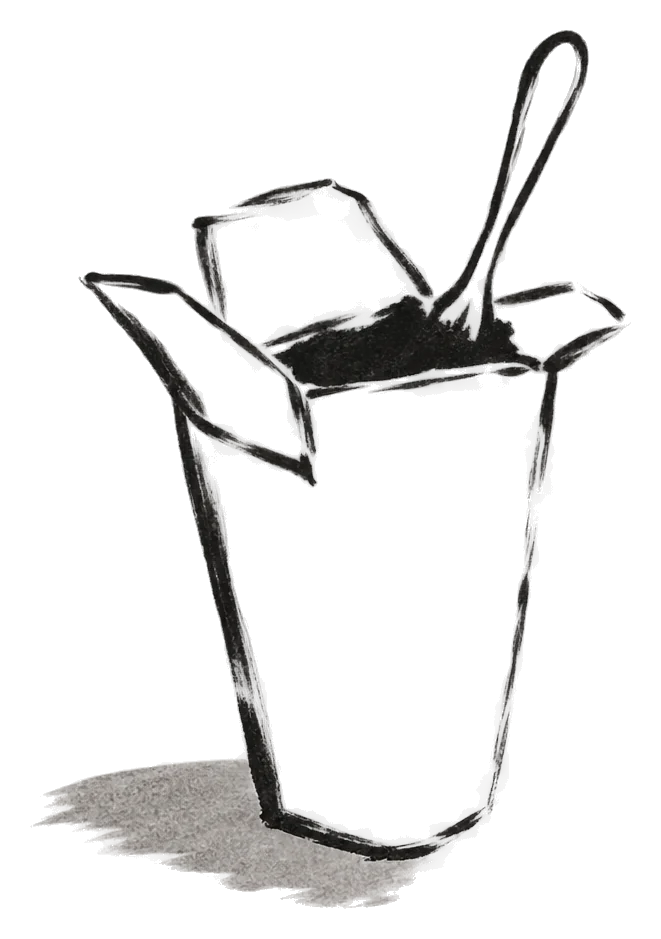
If your partner is out with someone and you're fine at home, eating leftovers and watching your show, you've reached the goal. For most people that is usually as far as it goes, and that is fine.
When compersion comes, it tends to come on its own, in flashes and by surprise, once the fear underneath has eased and often because you stopped chasing it. Leave room for it instead of trying to produce it.
Jealousy and compersion aren't two ends of one scale. Plenty of people feel both about the same situation within ten minutes. The aim is to feel whatever comes up without letting it decide what you do.
People who pressure themselves to feel joy they don't feel end up performing it, and resenting the performance.
NRE: New Relationship Energy
NRE is the infatuation that comes with someone new: the phone you keep checking, the sense that they light up the room. In ENM it causes trouble because it arrives while your existing relationships are still going on.
The problem is what it does to your judgment. Under NRE the new person seems nearly flawless, and by contrast your established partner starts to look dull, needy or like a chore. It all feels urgent and justified at the time, and it reflects the infatuation more than your values.
NRE fades (how long it takes varies from person to person), and the cost of the time and attention it took from your existing partner shows up later. What feels certain during NRE comes partly from the infatuation, so that certainty fades with it.
Three things limit the damage:
- Say it out loud. For example: "I think I'm in NRE with this person, and I want to make sure it doesn't pull my attention away from you unfairly." Saying it takes away much of its force.
- Protect your existing routines. The standing date, the morning text, whatever your fixed points are: don't quietly cancel them for the new person, least of all while NRE is at its strongest.
- Make no big decisions while you're in it. Moving in, opening or closing the relationship, ending things with an existing partner: wait until the infatuation cools, then decide.
What to Do With All Three
All three are normal and come back from time to time. The same skill helps with each: saying what you feel out loud, as information, without accusing your partner or giving an ultimatum.
For example: "I felt a flash of jealousy last night. I don't fully know why yet, but I wanted to put it on the table." That's enough, and it doesn't need a solution attached. Naming the feeling early, before it builds up, is much of the work.
FAQs
If I feel jealous, does that mean ENM isn't for me?
No. Nearly everyone feels jealous at times, including people who have done ENM happily for ten years. What matters is which kind. A passing spike that eases with reassurance needs no action. A persistent ache that reassurance doesn't touch points to a real unmet need and calls for a conversation.
Can you force yourself to feel compersion?
No, and trying makes things worse: you end up performing joy you don't feel and resenting it. Aim for neutrality instead: not minding. Build the security of knowing you're not being replaced, by naming what feels at risk and asking for the reassurance you need. If compersion comes, it tends to come on its own, as a quiet surprise, once you stop reaching for it.
How do we protect the relationship when one of us is deep in NRE?
Name it together, gently. The person in NRE usually can't see it, so a soft "I think you might be in it, and I'm feeling the pull on us" helps them see it without feeling attacked. Then agree in advance on concrete fixed points: a date that never gets cancelled, a rough idea of how quickly you reply to each other, whatever fits you. NRE always fades, and until it does the fixed points keep time for your existing relationship.