

A lifestyle house party is mostly a logistics project, and almost everything that decides how it goes is settled before guests arrive.
Choosing the guest list
The guest list is your most important decision. Invite only people you would be glad to run into next month, because in a small community you will. Twelve guests you trust are better than twenty with four you are unsure of.
If you don't know someone well, meet them socially first and ask whether they have been to private events before. Their answer tells you how experienced they are. Many hosts want guests who are vouched for by another couple or who have a real profile on an established lifestyle site. Do the same, because a stranger from the internet turns a community event into a liability.
Two more filters:
- Invite social people over shy ones. In a small room, one wallflower can make the whole night awkward.
- Say plainly what kind of event it is. If you stay vague, a guest may arrive expecting a different night and become your 2am problem.
Twelve guests you trust are better than twenty with four you are unsure of.
Handling single men
How to handle single men is one of the most discussed questions among hosts. Left alone, a party fills early with single men, who are keen and arrive first, and the mix of guests tips before the couples have their coats off.
Choose your approach before you send invitations, and apply it to everyone the same way:
| Option | How it works | Best for |
|---|---|---|
| Cap the number | Set a maximum for single men and stop inviting when you reach it | Small rooms, where the mix tips fast |
| Vet harder | A higher bar to attend: a real connection to you, not a forwarded invitation | Mixed crowds where you don't know everyone |
| Stagger arrivals | Couples and single women arrive half an hour before single men | Almost every party |
Whatever you choose, each single man at your party should have a direct connection to you, not a forwarded invitation. These options protect the mix of guests that everyone came for.
Setting up the space
Before guests arrive, decide what every room is for, and announce it out loud and in the rules note. Three zones:
- Social area: living room, kitchen or patio, big enough for everyone standing at once, because early on everyone will be.
- Transition area: a bathroom or bedroom with a working lock, for changing clothes.
- Play areas (rooms for sex): name each one. "The guest room and main bedroom are open. The study is closed." Someone will open a closed door you didn't name.
Other setup steps:
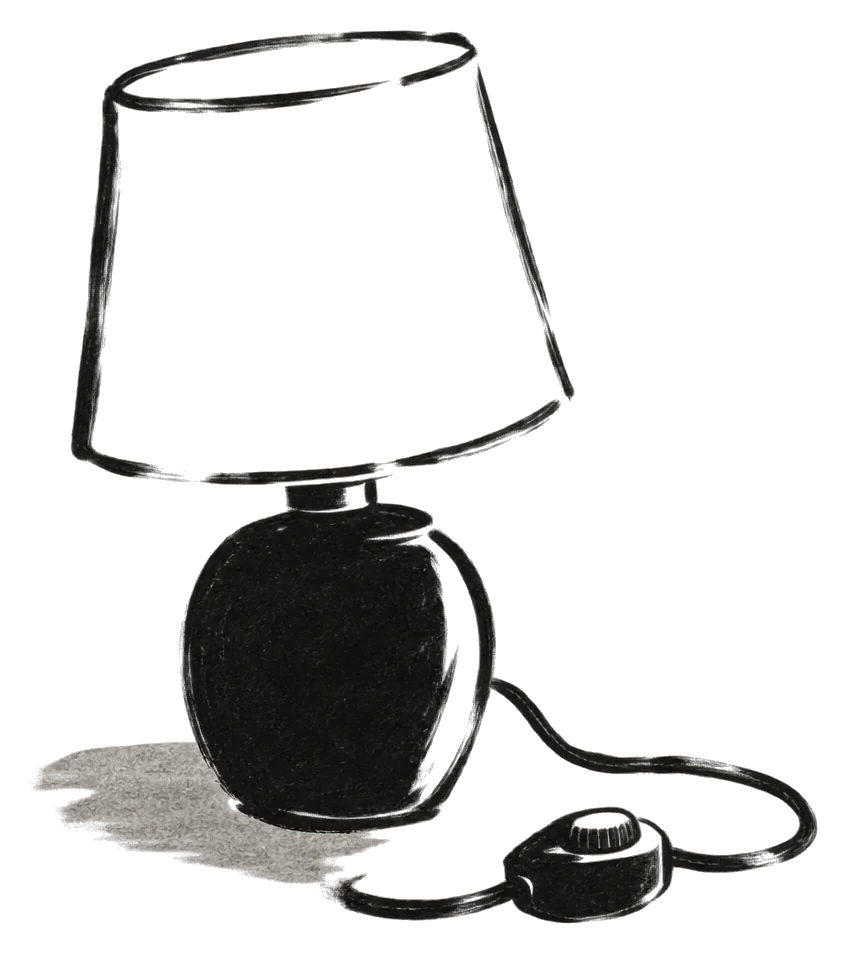
- Turn off the overhead lights in play areas. Lamps and a cheap dimmer do more than anything you can buy.
- Protect the furniture: waterproof mattress pads on every bed in a play area, fresh sheets plus spares, and washable throws on anything you'd rather not deep-clean.
- No candles. An open flame in a full room for hours is a fire risk, so use string lights.
- Put away anything you'd hate to see broken.
Communicating the rules
Send guests a short house-rules note before they arrive. You might expect rules to make guests stiff. In fact guests relax more after they get the note, because clear rules show an organized host.
The note should cover:
- Phones: none in play areas. Say it plainly in every note.
- Consent, including whether approaching a coupled guest needs both partners' yes first.
- Open and closed rooms.
- Arrival and departure times.
- Parking: where, and where not.
Guests relax more after they get the house-rules note.
Supplies
Stock more than you think you need:
| Category | What to have ready |
|---|---|
| Safer sex | Condoms in several sizes in every play area, plus dental dams and gloves if your circle uses them |
| Hygiene | Hand sanitizer and wipes in every play area, and at least two fresh towels per bed |
| Disposal | A small bin in every play area, so no wrapper ends up in a houseplant |
| Bathroom | Mouthwash, extra toilet paper, paper towels instead of cloth, feminine hygiene products |
| Food | Finger food with no onion, plus a second round held back for later |
| Drinks | Water and alcohol-free drinks out all night, not only at the start |
Ask guests to sit on a towel, which protects the furniture.
Alcohol, and not charging for it

Serve enough that people loosen up, but never so much that they lose their judgment. Most guests bring a bottle, so supply the glasses, ice (buy more than you think) and mixers, and keep a spare bottle or two for whoever forgets. Keep food out all night. Close the bar at a natural point, and most guests stop drinking without being asked.
If a guest is visibly drunk, their night is over and their safe trip home is on you. Make sure nobody drives home impaired.
Don't charge admission. Once money changes hands, the party starts to look like a business, and that can make it a homeowner's insurance problem you didn't know you had. If you must, split costs privately with a co-host, but take no money at the door.
The thing that goes wrong at 2am
Most parties have one: a couple already arguing in the car, a guest who misread a signal, or a situation in a back bedroom that needs a calm adult.
Pick one of you as the point person for guest issues, so the other can keep hosting. The point person can say to the guest, warmly and firmly, "I think it's time for us to wrap up." That ends most situations before they get worse.
The morning after
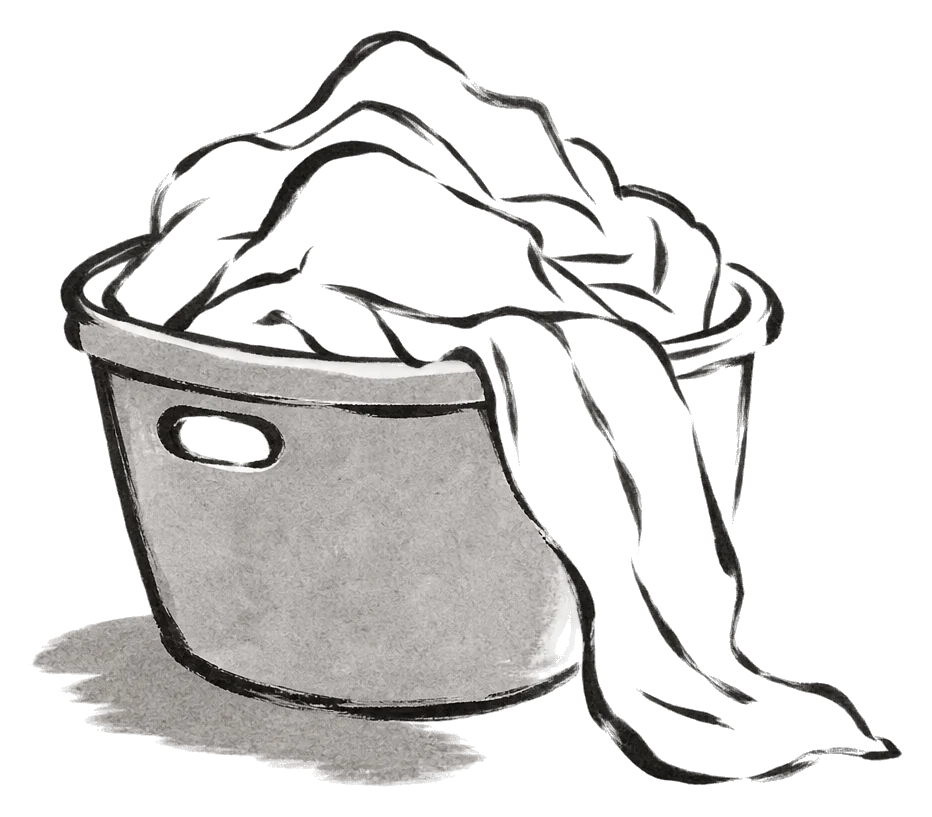
Collect the towels first. Strip and wash everything from the play areas, and open the windows. A party runs late, and the cleanup is bigger than you picture: loads of laundry, a red wine stain somewhere, and someone's underwear lost in the sofa. Set aside the whole morning.
The next day, send one short message to the group. It helps guests remember the night as a community event. If something went wrong, deal with it directly and in private, never in the group chat, because word spreads fast in a small scene, good or bad.
FAQs
How many guests for a first party?
Fewer than you want. Eight to twelve guests make a lively room that you can still manage. Some invited guests won't come, so invite a few extra. Treat the first party as a trial run of your logistics, small enough that every mistake is recoverable.
Should we set a theme or dress code?
Yes. "Dressy-casual, lingerie welcome" tells guests what to wear and shows the night was planned. It also gives people something to talk about in the first thirty minutes, when a room is at its stiffest.
How do we handle someone who won't respect the rules?
Directly and right away. First, say calmly and in private, "That's not how we do things here." If it continues, their night is over, with no second debate. Waiting to see whether it sorts itself out is how a small problem becomes a story you are still telling two years later.